

How To Choose The Right Lipo Batteries In 2026
Choosing the right LiPo battery involves matching key specifications to your device. First, verify the cell count (S) to ensure the voltage aligns with your equipment's requirements. Next, select an appropriate capacity (mAh) based on your power needs. Finally, check the C-rating to confirm the battery supports the required discharge current. Always follow the manufacturer’s specific instructions for voltage limits and charge rates, as some high-voltage packs differ from standard 4.2V per cell norms.
Quick Answer
To choose the right LiPo battery, match the cell count to your device’s voltage requirements, noting that standard cells charge to 4.2V per cell unless the manufacturer specifies otherwise. Select a capacity that fits your energy needs and ensure the charge rate does not exceed the manufacturer’s permitted limit. Always verify the battery’s physical condition and chemistry compatibility with your charger before use.
Table of Contents
- Quick Answer
- Our Top Picks
- Understand LiPo Battery Specifications
- Select the Correct Charger and Charge Rate
- Practice Safe Charging and Storage Habits
- Identify and Handle Damaged Batteries
- Access Comprehensive Modeling Guides
- Evaluate Battery Options for Specific Applications
- Frequently Asked Questions
- Sources
Our Top Picks
Affiliate disclosure: if you buy through these links, we may earn a commission at no extra cost to you.


Understand LiPo Battery Specifications
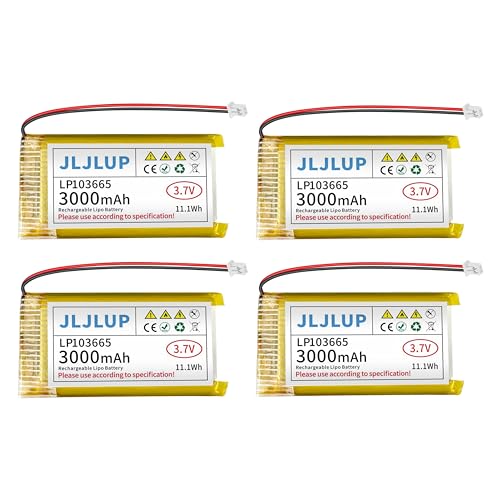
When evaluating lithium-polymer battery specifications, three primary factors determine compatibility and performance: voltage, capacity, and cell count. Voltage represents the electrical potential and must align with the specific requirements of the device being powered. Capacity, measured in milliampere-hours, indicates the total charge storage capability, where a 2,200mAh rating equates to a nominal 2.2Ah. The cell count, denoted by the letter S, reveals how many individual cells are connected in series within the pack. Standard lithium-polymer cells typically operate with a nominal voltage of 3.7V and reach a full-charge voltage of 4.2V. Consequently, a single-cell configuration offers 3.7V nominal and 4.2V full charge, while a two-cell setup provides 7.4V nominal and 8.4V full charge. Higher configurations follow this pattern, such as a three-cell pack delivering 11.1V nominal and 12.6V full charge. It is important to note that these standard values apply to cells rated at a maximum of 4.2V per cell. However, some high-voltage variants utilize different charging limits. Therefore, one should always consult the specific battery label and manufacturer instructions rather than assuming a universal 4.2V limit for every lithium-polymer battery. Understanding these distinctions helps ensure proper selection and handling of the power source.
Select the Correct Charger and Charge Rate
Selecting the appropriate charger and charge rate is critical for LiPo battery safety. Users may need to employ a charger specifically designed for LiPo chemistry and the exact cell configuration of the battery pack. For multi-cell arrangements, utilizing the correct balance-charge mode is essential, requiring connections to both the main power lead and the balance connector. This process allows the charger to monitor individual cell voltages, preventing any single cell from exceeding its voltage limit while others remain undercharged. Before initiating a charge, verify the battery chemistry, maximum cell voltage, and the selected cell count on the charger. Additionally, inspect the condition of all connectors and insulation to ensure integrity. Determining the correct charge current involves understanding C-rates, which express charging speed as a multiple of the battery's capacity. For instance, a specific capacity corresponds to a defined current at a 1C rate, with lower rates like 0.5C resulting in proportionally reduced current. These calculations serve as examples rather than universal mandates. It is vital to never exceed the charge rate permitted by the battery manufacturer. If the manufacturer specifies a lower limit, that restriction may need to be followed strictly. Always consult the charger instructions and the battery manufacturer's recommended charge rate to ensure safe operation.
Practice Safe Charging and Storage Habits
When charging LiPo batteries, select a stable, non-combustible surface free from flammable materials like paper or fabric. Ensure the location is away from direct sunlight and heat sources. Remain present to monitor the process continuously, never leaving the battery unattended or charging it while sleeping. Arrange cables and the charger so they cannot be crushed, pulled, or short-circuited. Using a purpose-designed safety enclosure is an option, but it does not remove the need for supervision or eliminate fire risk entirely. Do not charge any battery that appears swollen, punctured, or leaking. If a pack becomes unusually hot, swells, emits odd smells, or hisses, stop charging immediately if safe and move away. Regarding voltage, avoid overcharging by adhering to the typical maximum of 4.2V per cell, as exceeding this limit can damage cells and increase fire danger. Similarly, prevent deep discharge to avoid permanent damage, utilizing low-voltage protection features rather than relying solely on perceived power levels. For multi-cell packs, check individual cell voltages to detect imbalances that total pack voltage might hide. For storage, keep batteries away from heat and physical damage. Avoid storing them at full charge for prolonged periods and prevent deep discharge to reduce degradation and damage risks.
Identify and Handle Damaged Batteries
When managing lithium-polymer batteries for drones, RC vehicles, or robotics projects, identifying physical damage is a critical safety step. Users should regularly inspect the battery pack for any signs of swelling, leaking, or other physical deformities. If a pack exhibits swelling, it indicates internal gas buildup, which poses a significant risk. Similarly, any evidence of leaking electrolyte suggests a compromised cell structure that requires immediate attention. Upon detecting these issues, the recommended action is to stop using the damaged battery pack entirely. Continuing to operate with a swollen or leaking LiPo battery can lead to thermal runaway or fire hazards. The guide emphasizes that safe handling begins with recognizing these specific damage signs. If a battery is found to be damaged, it should not be charged or installed in any electronic device. Proper handling involves isolating the compromised unit to prevent potential interaction with other components or batteries. Disposal procedures may vary by region, but the primary principle remains ceasing all use of the affected pack. Regular visual checks before and after use help ensure that only batteries in good physical condition are utilized for powering electronics.
Access Comprehensive Modeling Guides
To access comprehensive modeling guides for LiPo batteries, users should seek out resources specifically designed to build knowledge from the ground up. These guides are structured to ensure that no prior technical experience may be needed, allowing each chapter to stand alone while also contributing to a broader understanding of battery behavior. The material typically progresses through fundamental concepts such as battery basics and cell connections before moving into more complex characteristics and safety protocols. A key feature of these comprehensive resources is their focus on practical application and hazard identification. They provide detailed explanations on charging procedures, discharge limits, and balancing requirements, which are essential for maintaining battery integrity. The guides also emphasize the importance of recognizing damaged cells that may pose fire risks, offering specific advice on how to handle such situations. By presenting information through clear diagrams and tables, these resources aim to clarify technical specifications like C-ratings and voltage management. Engaging with such a thorough guide helps modelers develop the necessary skills to extend battery life and operate equipment safely, serving both beginners and experienced users who wish to deepen their technical proficiency.
Evaluate Battery Options for Specific Applications
Evaluating battery options for specific applications requires matching technical specifications to the operational demands of the device. For FPV and racing drones, the capacity measured in milliampere-hours indicates how long the battery can sustain power delivery, while the voltage rating, denoted by cell count, determines the motor speed and torque potential. Higher cell counts generally provide more power but require compatible electronic speed controllers and motors. The discharge rate, expressed as a C-rating, defines the maximum current the battery can safely deliver; applications requiring rapid acceleration or high thrust need batteries with higher C-ratings to prevent voltage sag and overheating. When selecting a battery, one may need to consider the physical size and weight constraints of the drone frame, as larger capacity batteries often add significant weight that affects flight dynamics. The connector type, such as XT-60, may need to align with the drone’s power distribution system to ensure secure and low-resistance connections. Maintenance involves monitoring the battery’s health through voltage checks after discharge and storing cells at a safe storage voltage to preserve chemical integrity. Users should inspect batteries for any signs of swelling or damage before each use, as compromised cells pose safety risks. Choosing the right balance of capacity, voltage, and discharge rate ensures optimal performance and longevity for the specific flying application.
Frequently Asked Questions
What are the three main specifications to consider when handling a LiPo pack?
When handling a LiPo pack, three main specifications matter most. Voltage determines electrical potential and must match device requirements. Capacity indicates stored charge amount. Cell count shows series-connected cells, with standard cells having nominal and full-charge voltages. Follow manufacturer instructions for specific charging limits rather than assuming universal values.
Why is balance charging important for multi-cell LiPo batteries?
Balance charging monitors individual cell voltages in multi-cell LiPo packs to keep them aligned. This process helps prevent any single cell from charging beyond its limit while others remain lower, ensuring safe and consistent charging across the entire battery configuration.
Where should you charge a LiPo battery to ensure safety?
Charge LiPo batteries on a stable, non-combustible surface away from flammable materials like paper or fabric. Keep the area free from direct sunlight and heat sources. Ensure the battery, charger, and cables are arranged to prevent crushing, pulling, or short-circuits. Always monitor the charging process and never leave it unattended or while sleeping.
What signs indicate a LiPo battery should be stopped from use?
Stop using a LiPo battery if it shows physical damage, swelling, or leaking. Discontinue use if the pack becomes unusually hot, emits an unusual smell, or makes a hissing sound during operation or charging. These signs indicate internal failure or safety hazards requiring immediate cessation of use.
What topics are covered in the Gibbs Guide to LiPo batteries?
The Gibbs Guide covers LiPo battery basics, cell connections, and characteristics. It addresses charging, discharging, C-limits, and balancing procedures. Safety topics include fire prevention and identifying problematic batteries. The guide also explains testing, using joined packs, and extracting optimal performance from LiPo batteries through clear explanations and diagrams.
To choose the right LiPo battery, verify the cell count matches your device’s voltage requirements and ensure the capacity and C-rating align with your power needs. Always check the manufacturer’s specified charge rate and maximum voltage limits before use. Confirm the battery’s physical condition is intact, avoiding any packs that show swelling or damage.


