

Best Fpv Cameras For Beginners In 2026
🏆 Top Picks at a Glance
 #1
Best Overall
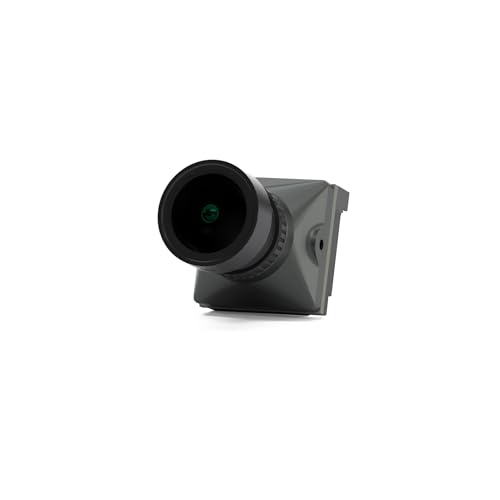
CADDXFPV Ratel Pro FPV Analog Camera – 1/1.8" Sensor Low-Light Micro Camera
$49.99
Check Price → #2
Also Consider
RunCam Phoenix 2 Micro FPV Camera 1000TVL FOV 155° Super Global WDR Day&Night Freestyle Cam with 2.1mm Lens 4:3/16:9 Switchable for FPV Drone,etc.
$39.99
Check Price →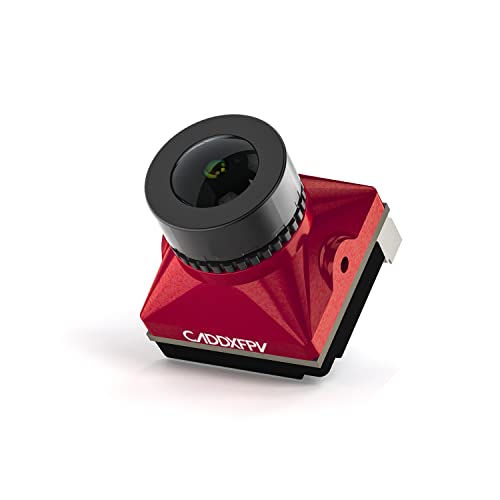 #3
Also Consider
CADDXFPV Ratel 2 Analog FPV Camera, Red, 1200TVL, Starlight
$35.99
Check Price →Whether you are looking to tear through gates in a racing quad or capture cinematic sweeps with a micro build, your camera is the most critical link between your eyes and the flight path. For beginners, the learning curve can feel steep when navigating the split between analog and digital ecosystems, with starter kits ranging from $170 whoops to $849 premium cruisers. This guide breaks down the best FPV cameras to help you balance latency, weight, and image clarity so you can focus on perfecting your stick skills. We’ve analyzed the top picks to ensure you get the right sensor and field of view for your specific flight style.
⚡ Quick Answer: Best Fpv Cameras
Best Overall: CADDXFPV Ratel Pro FPV Analog Camera
- Fit
- Considering CADDXFPV Ratel Pro FPV Analog Camera? Check the listed specifications against your requirements before choosing.
- Price
- $49.99
- Maintenance
- Follow the manufacturer’s use and storage directions for this product.
- Tradeoffs
- Micro size limits mounting options; Analog-only signal output
Table of Contents
Main Points
- Understand the ecosystem split: Analog cameras are not compatible with digital systems like DJI, Walksnail, or HDZero, so you must choose your hardware based on your existing goggles and flight controller.
- Prioritize sensor size for low-light: Larger sensors, such as the 1/1.8" found in the Ratel Pro, provide superior dynamic range and better performance in shaded or nighttime environments compared to smaller CMOS sensors.
- Match the camera to your frame: For micro FPV drones, lightweight and compact options like the DJI O4 (Lite) are ideal, though they may offer a narrower field of view than larger Pro versions.
- Consider FOV for flight style: Wide-angle lenses (up to 165°) are excellent for situational awareness in racing and freestyle, while narrower lenses can help reduce distortion for cinematic shots.
- Weight-to-power ratio is king: For ultra-micro builds like Tiny Whoops, look for AIO (All-In-One) camera and transmitter combos to keep your weight low and your power-to-weight ratio high.
Our Top Picks
Affiliate disclosure: if you buy through these links, we may earn a commission at no extra cost to you.
Factors to Consider
Frequently Asked Questions
Can I use an analog camera with a digital-only headset?
No, analog FPV cameras are not compatible with digital FPV systems, and vice versa. You must ensure your camera type matches your goggles and video transmitter protocol.
What is the best use case for micro FPV cameras?
Micro cameras are designed for lightweight builds like tiny whoops to maintain a high power-to-weight ratio. They prioritize a small footprint to ensure the drone remains agile for indoor freestyle or racing.
How does sensor size affect FPV flight?
Larger sensors generally provide better low-light performance and dynamic range, which helps you see detail in shadows. This is critical for maintaining orientation when flying through complex environments.
Is digital FPV better than analog for beginners?
Digital systems often provide a clearer, high-definition image which can be easier for beginners to process visually. However, analog is often more affordable and offers extremely low latency for racing-style flight.
What should I look for in a racing camera?
For racing, prioritize ultra-low latency and a reliable video signal to ensure your visual feed matches your real-time position. A lightweight profile is also essential to keep your quad's weight down.
Do I need to worry about field of view (FOV)?
Yes, FOV determines how much of your surroundings you can see through the goggles. A wider FOV can help with situational awareness, but it may also introduce more distortion at the edges of your screen.
Conclusion
Choosing the right camera depends on your specific drone build and whether you are prioritizing weight or image clarity. For those looking for a versatile, high-performance option that balances low-light capability with a lightweight profile, the CADDXFPV Ratel Pro FPV Analog Camera – 1/1.8" Sensor Low-Light Micro Camera is our top pick. It provides the reliable visual data needed to master your flight skills.


